Evaluation of Dengue Control Program Implementation at Simalingkar Community Health Center

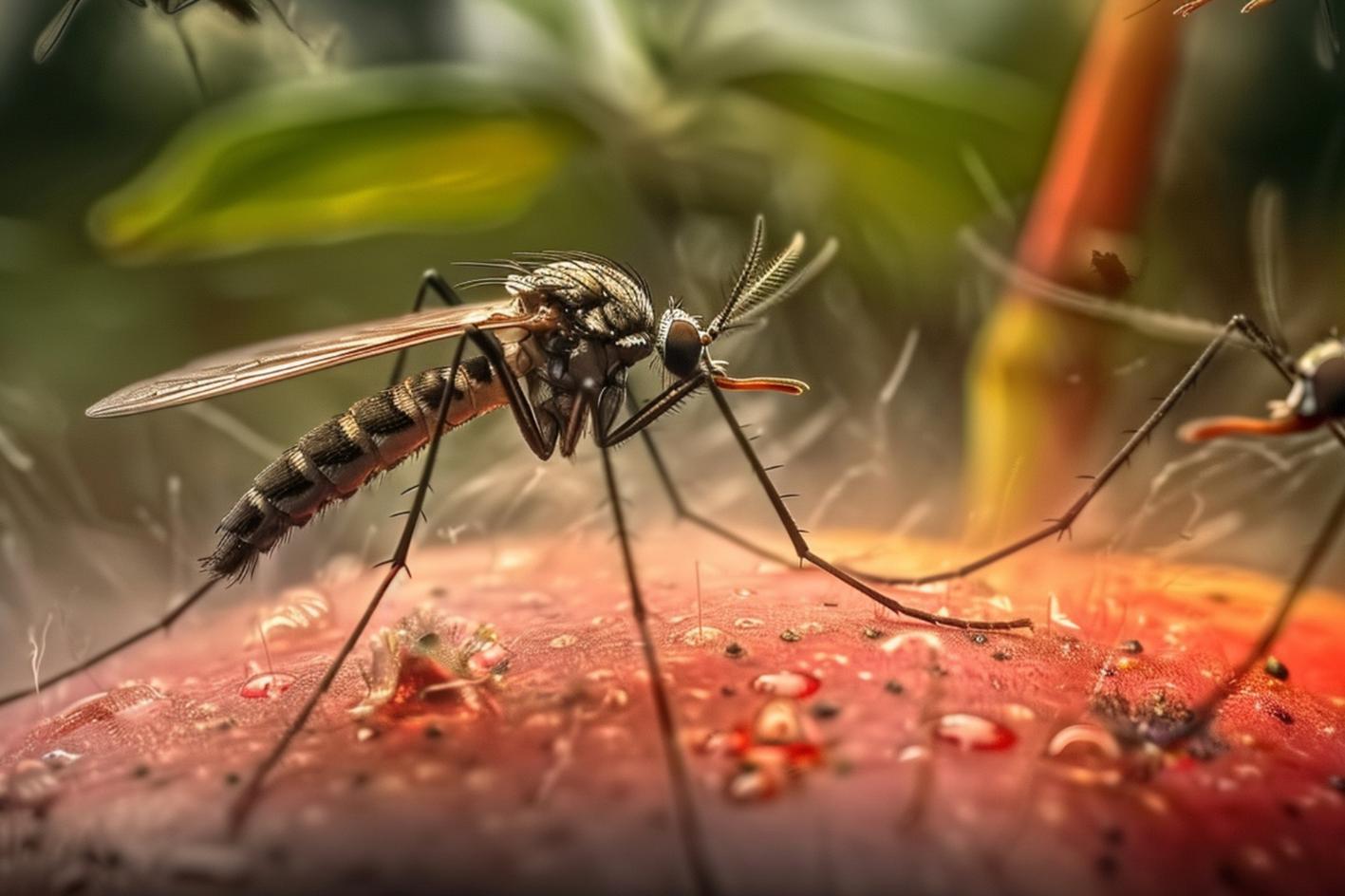
Dengue Hemorrhagic Fever (DHF) is an infectious disease that remains a health problem in Indonesia, including in the Simalingkar Community Health Center (Puskesmas) work area. Data shows an increase in cases from 87 cases in 2023 to 96 cases in 2024. This study aims to evaluate the implementation of the Dengue Fever Eradication Program (P2DBD) at the Simalingkar Community Health Center based on input, process, output, and outcome components. The research method used a descriptive qualitative approach with a purposive sampling technique with seven informants, including the head of the community health center, program manager, village official, neighborhood head, and jumantik cadres. Data were collected through in-depth interviews, observation, and documentation, then analyzed thematically. The results of the study indicate that from the input aspect, the availability of human resources, infrastructure, and funds is still limited, thus affecting program optimization. In the process, the implementation of PSN, larvasidization, fogging, counseling, epidemiological investigations, and larva examinations has not been consistent and the coverage is not evenly distributed. From the output, the achievement of activities has not met the ideal indicator such as Larvae Free Rate ?95%. In terms of outcomes, dengue fever case tracking has not been optimal, with some cases still not being reported promptly. The main inhibiting factors are minimal cross-sectoral coordination, low community participation, and logistical constraints.
Copyright (c) 2026 Ananda Nurmairani Laoli, Rapotan Hasibuan

This work is licensed under a Creative Commons Attribution-ShareAlike 4.0 International License.